Waterlily: A Handwritten Font That Elevates Small Business Branding
When I launched my small candle-making business last year, I knew the product had to feel special from the moment someone saw the label. At first, I used a basic script font that came with my design software, but it lacked warmth and personality. Customers loved the candles, but the packaging didn’t reflect the care I put into each jar. That’s when I discovered Waterlily—a hand drawn font that transformed my brand visuals without requiring a design degree or a big budget.
Waterlily for Candle Labels and Packaging Design
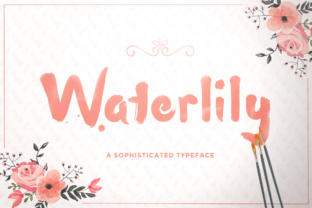
Waterlily is a display font that feels personal and handcrafted, making it perfect for small-batch products like candles, skincare, or artisan foods. I used it on my candle jars to label scents like “Lavender Fields” and “Cozy Cabin.” The soft curves and organic strokes gave the packaging a boutique feel that customers immediately responded to. Because it’s a handwritten font, it added a sense of authenticity that off-the-shelf fonts couldn’t match.
How Waterlily Improved My Product Labels
I tested a few other fonts before settling on Waterlily. Some looked too formal, others too playful. Waterlily struck the right balance—elegant but approachable. I used it for the main scent name and paired it with a clean sans serif for the ingredient list. This combination made the label feel intentional and professional without losing that handmade charm.
Waterlily for Social Media Graphics and Branding
As a small business owner, I rely heavily on Instagram to showcase new products and share behind-the-scenes content. I started using Waterlily in my Instagram Stories and carousel posts, especially for quote graphics and product highlights. The font’s hand-drawn texture made my visuals stand out in a feed full of generic templates. Plus, since it supports over 80 characters across languages and dialects, I could confidently use it even when posting in Spanish for bilingual followers.
Using Waterlily in Digital Marketing
For digital use, I found that Waterlily worked best in headlines and short phrases. I used it for call-out text in promotional banners and product launch announcements. It helped reinforce my brand’s visual identity across platforms, from Instagram to email newsletters. The font’s multilingual support also made it easier to create inclusive content without switching between fonts.
Waterlily for Product Packaging and Printed Materials
When I redesigned my candle boxes and thank-you tags, I wanted everything to feel cohesive. I used Waterlily consistently across packaging inserts, product tags, and even the small sticker on the bottom of each jar. It gave my brand a unified look that customers began to recognize. I made sure to check the included font styles and file formats before printing, which saved me from any last-minute surprises.
Choosing the Right Font Size for Packaging
One thing I learned early on is that Waterlily works best at slightly larger sizes. Since it’s a handwritten font, smaller text can become hard to read—especially on printed packaging or product tags. I reserved it for titles and key phrases, using a simpler font for supporting text. This made my designs both visually appealing and easy to read.
Waterlily for Logo Design and Brand Identity
Eventually, I decided to update my logo. I wanted something that felt warm and personal, and Waterlily fit perfectly. I used it for the main brand name and paired it with a minimalist line graphic to keep the overall look balanced. The result was a logo that felt modern yet timeless, and customers began to associate that visual style with quality and care.
Font Pairing Tips with Waterlily
If you’re using Waterlily in your logo or packaging, it’s a good idea to pair it with a more neutral font. I found that a clean sans serif like Montserrat or a soft serif like Playfair Display worked well. This contrast helped guide the eye and made the design feel intentional rather than cluttered. It also made my brand easier to scale across different materials.
Waterlily for Multilingual Branding and Global Reach
One of the biggest surprises with Waterlily was how well it supported different languages and dialects. I occasionally sell at local markets with a diverse customer base, and being able to switch between English and Spanish without changing fonts was a huge time-saver. It also gave my brand a more inclusive and thoughtful feel, which resonated with shoppers.
Checking Font Licensing for Commercial Use
Before using Waterlily on product packaging and digital templates, I made sure to review the font licensing. It’s important to know whether a font can be used commercially, especially if you’re selling physical products or offering design templates. Waterlily’s licensing covered everything I needed, which gave me peace of mind when printing packaging and creating digital assets for clients.
Why Waterlily Works for Small Businesses
As a small business owner, I don’t have a big design team or a marketing budget. But with Waterlily, I was able to elevate my brand visuals in a way that felt authentic and professional. Whether I was designing a new menu for a pop-up event or updating my Shopify product pages, the font helped me maintain a consistent and memorable look. It’s not just a font—it’s a design tool that makes branding feel more personal and intentional.